Building on the idea that education can separate traditional cider from commodity products (read more here), Finnriver Farm & Cidery‘s approach suggests the next step isn’t simply explaining heirloom apples. Instead, it’s giving consumers a reason to care through firsthand experiences. Rather than asking drinkers to accept that traditional orchard fruit produces a different cider, the Washington cidery has found value in inviting its most engaged customers into the production process, creating deeper connections that are difficult for mass-produced brands to replicate.
For Laura Prendergast, Finnriver’s marketing director, the goal isn’t to compete directly with commercial cider brands on convenience or familiarity. Instead, she said the cidery leans into what makes its products fundamentally different.
“Ciders made from fruit grown in our organic heirloom orchard carry a depth of flavor and agricultural significance that you simply can’t replicate at scale,” Prendergast said. “Rather than trying to compete in the same lane as commercially produced ciders, we invite people into the process.”
That philosophy shifts the conversation away from simply selling bottles and toward building long-term customer understanding. While many cideries talk about orchard practices or rare fruit varieties, Finnriver has found that allowing customers to witness those differences firsthand creates a stronger value proposition than marketing claims alone.
Its cider club has become the centerpiece of that strategy.
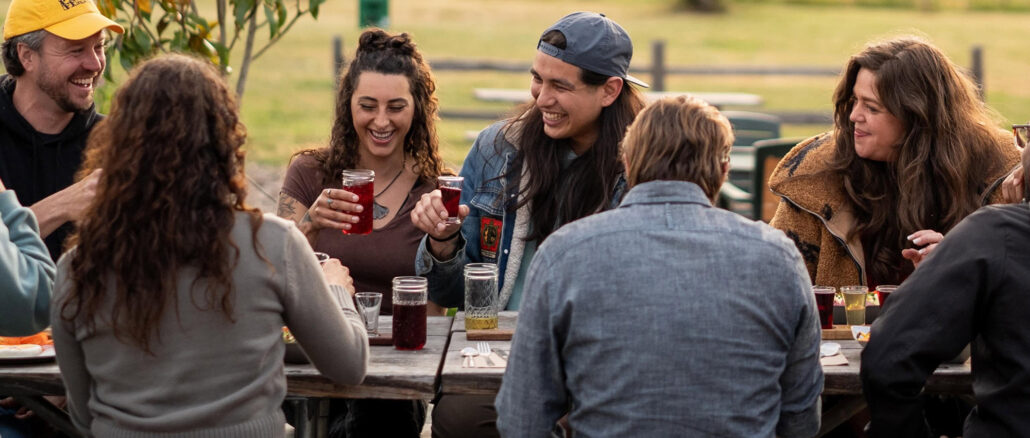
Rather than limiting membership benefits to discounts or exclusive releases, the cidery uses the club as an educational platform. Members taste single-varietal ciders and perries before blending decisions are made, attend winter tank tastings and hear directly from the cidermaker about the characteristics of each harvest.
Those experiences give customers context for why a finished cider tastes the way it does, while reinforcing the agricultural decisions behind every release.
“When we release something like a single-varietal Dolgo crabapple cider, we share the full story, from the challenges of harvesting and pressing small fruit to the care required in fermentation,” Prendergast said. “That context transforms the cider from a product into an experience.”
You don’t need to necessarily to launch a membership program or duplicate Finnriver’s tasting calendar. Instead, looking at identifying ways to move customers beyond simply purchasing cider and into understanding its production can be thought of.
Education becomes more effective when it’s experiential rather than informational. Instead of asking consumers to read tasting notes or production details on a label, you can can create opportunities for customers to witness blending trials, sample fruit at different stages, or hear directly from the people making production decisions. Each interaction builds familiarity with traditional apples while reinforcing why those ciders command attention in an increasingly crowded marketplace.
Prendergast said those educational moments also help ensure limited-production ciders reach consumers that most likely to appreciate them.
READ MORE: Ways to Continue Your Production Team’s Evolving Education
“Offering these releases through our cider club also ensures they reach the right audience: people who are genuinely interested in and excited by these small-batch, story-driven ciders,” she said.
That audience targeting may ultimately be as important as the storytelling itself. Rather than trying to convince every consumer that heirloom orchard fruit matters, Finnriver invests in developing a smaller group of highly engaged advocates who value those distinctions. As those consumers deepen their understanding of traditional cider, they become ambassadors capable of communicating that story to others. It begins by creating experiences that allow customers to discover their value for themselves.